

Tips for Interior Design Office: Create a Productive and Professional Workspace

This comprehensive guide explores essential tips for interior design office spaces that enhance productivity, employee well-being, and professional aesthetics. Whether you're designing a corporate office, startup workspace, or home office, these proven strategies will help you create an environment that inspires creativity and efficiency.
1. Optimize Lighting for Enhanced Productivity
Proper lighting is fundamental to office interior design. Natural light reduces eye strain and boosts mood, so position desks near windows when possible. Supplement with LED task lighting and ambient lighting to create a balanced, comfortable environment. Avoid harsh fluorescent lights that cause fatigue and headaches.

2. Choose Ergonomic Furniture
Invest in ergonomic office chairs, adjustable desks, and supportive furniture that promotes proper posture. Quality furniture reduces back pain, improves focus, and demonstrates care for employee wellness. Modern ergonomic designs also enhance the professional appearance of your office interior.
3. Implement a Strategic Color Scheme
Colors significantly impact mood and productivity. Blues and greens promote calmness and focus, while warm neutrals create welcoming spaces. Avoid overly bright or dark colors that cause eye strain. Use accent colors strategically to define different zones within your office design.

4. Maximize Space Efficiency
Smart office interior design maximizes available space through vertical storage, modular furniture, and open floor plans. This approach reduces clutter, improves workflow, and creates a sense of spaciousness even in smaller offices. Consider multi-functional furniture pieces that serve multiple purposes.
5. Incorporate Plants and Natural Elements
Indoor plants improve air quality, reduce stress, and add visual appeal to office spaces. Natural elements like wood, stone, and plants create a biophilic design that enhances employee satisfaction and creativity. Studies show that offices with plants increase productivity by up to 15 percent.
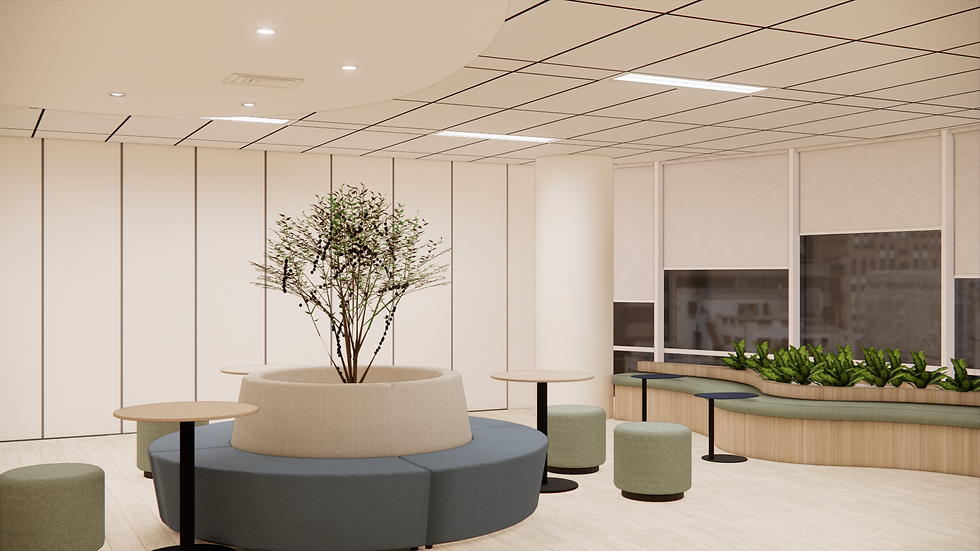
6. Create Dedicated Collaboration Zones
Modern office interior design includes collaborative spaces separate from individual workstations. Breakout areas, meeting rooms, and lounge spaces encourage teamwork and innovation. These zones should feature comfortable seating and technology integration for seamless communication.
7. Manage Noise Levels
Acoustic design is crucial for office productivity. Use sound-absorbing materials, partition walls, and quiet zones to minimize distractions. Proper noise management in office interior design prevents fatigue and maintains focus on important tasks.
8. Integrate Technology Seamlessly
Modern office design incorporates technology infrastructure without creating visual clutter. Hidden cable management, wireless charging stations, and smart lighting systems create a clean, professional appearance while supporting contemporary work needs.
9. Maintain Brand Identity
Your office interior design should reflect your company's brand values and culture. Use branded colors, logos, and design elements that reinforce your professional identity. This creates a cohesive environment that impresses clients and motivates employees.
10. Ensure Proper Climate Control
Temperature and humidity control are essential for office comfort. Maintain temperatures between 20 and 22°C (68-72°F) for optimal productivity. Proper ventilation and air quality management prevent discomfort and health issues in your office space.
Conclusion
Effective office interior design combines aesthetics, functionality, and employee wellness. By implementing these ten tips, you'll create a professional workspace that enhances productivity, attracts top talent, and reflects your company's commitment to excellence. Remember that great office design is an investment in your team's success and your business's future growth.


Comments