

Comprehensive Office Design Services for Modern Workplaces

Creating a productive and inspiring workplace is essential for any business aiming to thrive in today’s competitive environment. Modern office solutions focus on blending functionality, aesthetics, and employee well-being to foster creativity and efficiency. This blog post explores comprehensive office design services that transform traditional workspaces into dynamic environments tailored for the future of work.
Understanding Modern Office Solutions
Modern office solutions go beyond just furniture and layout. They encompass a holistic approach to workspace design that integrates technology, ergonomics, and sustainability. The goal is to create an environment that supports diverse work styles, encourages collaboration, and enhances employee satisfaction.
Key elements of modern office solutions include:
Flexible layouts: Spaces that can be easily reconfigured to accommodate different team sizes and activities.
Technology integration: Seamless incorporation of digital tools and smart systems to improve workflow.
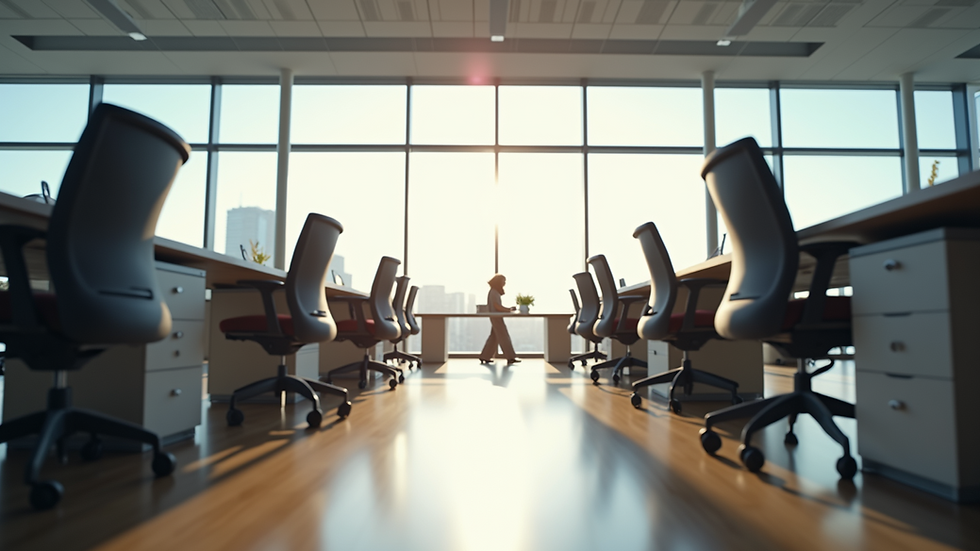
Ergonomic furniture: Chairs, desks, and accessories designed to reduce strain and improve comfort.
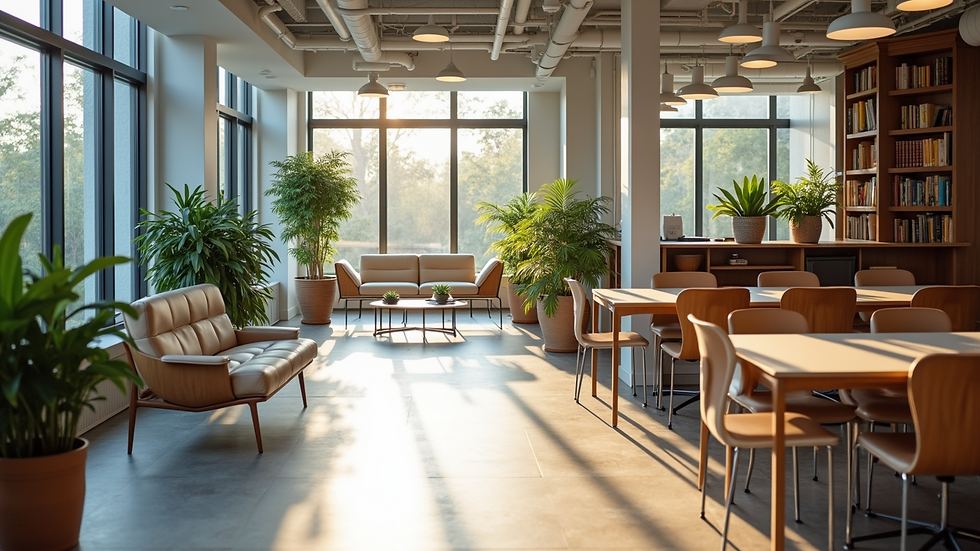
Biophilic design: Incorporating natural elements like plants and natural light to boost mood and productivity.
Sustainability: Using eco-friendly materials and energy-efficient systems to reduce environmental impact.
By focusing on these aspects, businesses can create offices that are not only visually appealing but also highly functional and supportive of employee well-being.
Key Components of Effective Office Design
Designing a modern office requires attention to several critical components that influence how employees interact with their environment and each other.
Space Planning and Layout
Efficient space planning ensures that every square meter of the office is used optimally. Open-plan areas encourage teamwork and communication, while quiet zones provide spaces for focused work. Incorporating breakout areas and informal meeting spots helps foster creativity and spontaneous collaboration.
Lighting and Acoustics
Proper lighting is crucial for reducing eye strain and maintaining energy levels. Natural light should be maximized, supplemented by adjustable artificial lighting. Acoustic solutions such as sound-absorbing panels and white noise machines help minimize distractions in busy office environments.
Color and Materials
Colors influence mood and productivity. For example, blue tones can promote calmness and focus, while warmer colors like orange and yellow stimulate creativity. Choosing sustainable and durable materials not only supports environmental goals but also ensures longevity and ease of maintenance.
Technology and Connectivity
Modern offices require robust IT infrastructure to support cloud computing, video conferencing, and mobile workstations. Integrating technology into the design, such as wireless charging stations and smart meeting rooms, enhances convenience and efficiency.
Wellness and Comfort
Incorporating wellness features like adjustable desks, ergonomic chairs, and relaxation zones contributes to employee health and satisfaction. Access to fresh air, greenery, and spaces for physical activity can reduce stress and improve overall well-being.
How Comprehensive Office Design Services Elevate Workspaces
Engaging professional office interior design services can make a significant difference in achieving a workspace that aligns with your business goals. These services offer expertise in creating tailored solutions that reflect your company culture and operational needs.
Customized Design Solutions
Professional designers assess your current workspace and understand your business objectives to develop a customized plan. This includes selecting appropriate furniture, finishes, and layouts that optimize space and functionality.
Project Management
From concept to completion, comprehensive office design services manage every aspect of the project. This includes coordinating with contractors, sourcing materials, and ensuring timelines and budgets are met.
Incorporating Future Trends
Design experts stay updated with the latest trends and innovations in office design. They can incorporate elements like flexible workstations, wellness rooms, and sustainable practices that future-proof your office.
Enhancing Brand Identity
The office environment is a reflection of your brand. Designers integrate your company’s values and aesthetics into the space, creating a cohesive and inspiring atmosphere for employees and visitors alike.
Practical Tips for Implementing Modern Office Solutions
Whether you are redesigning an existing office or setting up a new one, here are actionable recommendations to consider:
Conduct a Needs Assessment: Understand how your team works and what they need to be productive. Survey employees to gather input on preferred work styles and amenities.
Prioritize Flexibility: Choose modular furniture and adaptable layouts that can evolve with your business.
Maximize Natural Light: Position workstations near windows and use glass partitions to allow light to flow through the space.
Invest in Ergonomics: Provide adjustable chairs and desks to accommodate different body types and reduce discomfort.
Create Zones: Designate areas for collaboration, quiet work, and socializing to support various activities.
Incorporate Technology Thoughtfully: Ensure that tech solutions enhance rather than complicate workflows.
Focus on Sustainability: Use recycled materials, energy-efficient lighting, and plants to create an eco-friendly environment.
Promote Wellness: Include spaces for relaxation, movement, and healthy eating options.
By following these tips, you can create a modern office that boosts morale and drives business success.
The Future of Office Design: Trends to Watch
The workplace is continuously evolving, and office design must adapt to new demands and technologies. Some emerging trends shaping the future of office design include:
Hybrid Workspaces: Offices designed to support both in-person and remote work, with hot-desking and virtual collaboration tools.
Smart Offices: Integration of IoT devices for lighting, climate control, and security that respond to user preferences.
Sustainability Focus: Greater emphasis on zero-waste policies, renewable energy, and circular design principles.
Wellness-Centered Design: Enhanced focus on mental health, with spaces dedicated to mindfulness, fitness, and social connection.
Inclusive Design: Creating environments that accommodate diverse needs, including accessibility for people with disabilities.
Staying ahead of these trends ensures your office remains a competitive and attractive place to work.
Conclusion
Investing in comprehensive office design services is a strategic move that can transform your workspace into a hub of innovation and productivity. By embracing modern office solutions, you create an environment where employees feel valued, motivated, and equipped to perform at their best. Whether you are starting fresh or upgrading your current office, thoughtful design is key to unlocking your business’s full potential.


Comments