

Strategic Material Selection: Building Office Spaces That Deliver Long-Term Business Value

Strategic Material Selection: Building Office Spaces That Deliver Long-Term Business Value
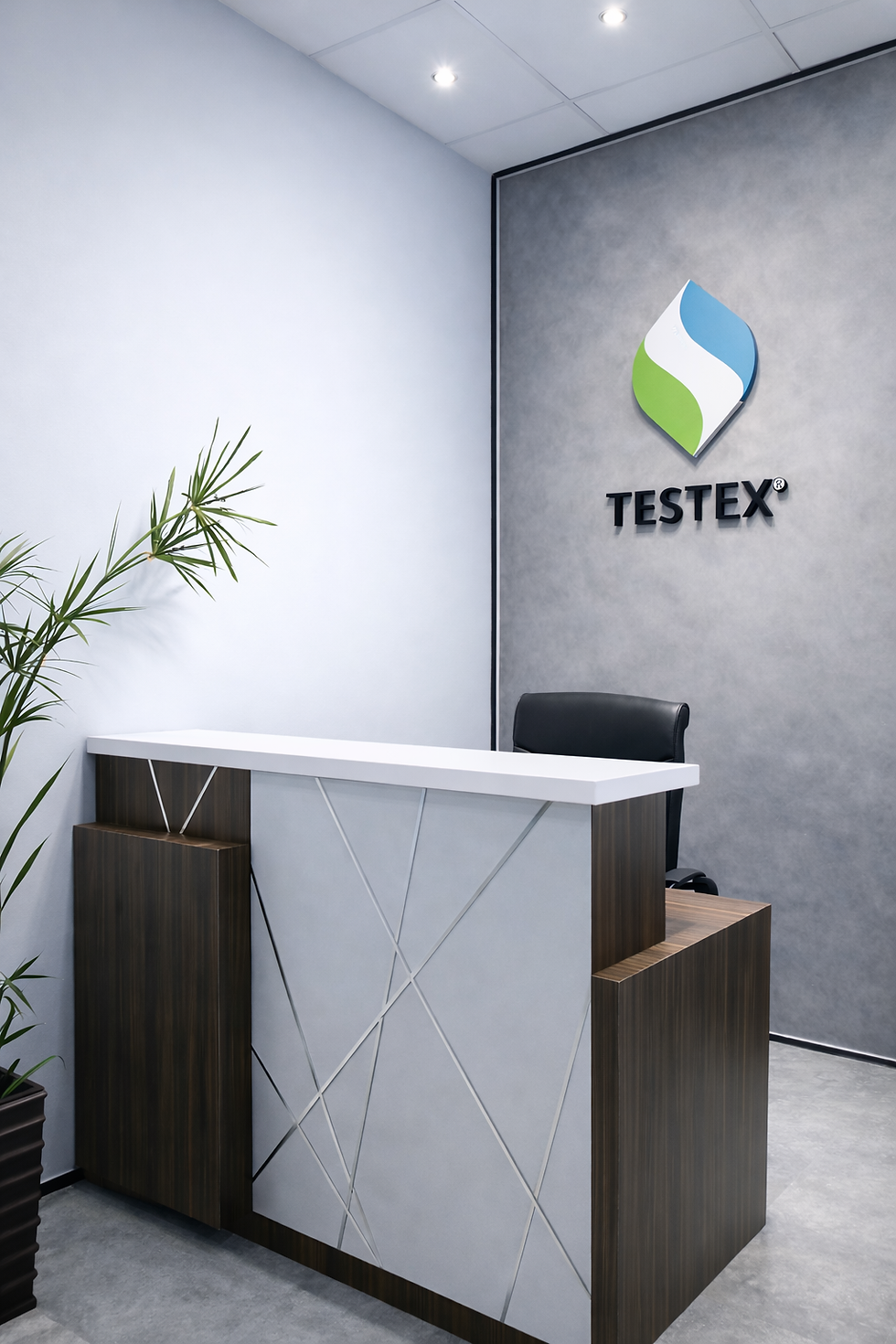
Material selection is often treated as a secondary design consideration, yet it fundamentally determines whether your office investment delivers value or becomes a liability. Poor material choices lead to premature wear, escalating maintenance costs, and compromised employee productivity. Strategic material selection, by contrast, creates workspaces that perform reliably for years while supporting your business objectives.
At KNS Archipelago, we approach material selection as a business decision, not merely an aesthetic choice. This article outlines the professional criteria that distinguish high-performing office materials from costly mistakes.
Understanding Material Performance Categories
Professional material selection requires understanding how different materials perform under specific conditions. High-pressure laminate (HPL) offers superior durability for high-traffic surfaces, resisting scratches, stains, and moisture. Solid wood and wood veneer provide aesthetic appeal while maintaining structural integrity when properly sealed. Aluminum and steel frames deliver strength and longevity, essential for furniture that endures daily use.
Acoustic-grade fabrics address a critical but often overlooked performance requirement: sound management. In open office environments, material choices directly impact noise levels and employee focus. Selecting materials with appropriate acoustic properties prevents costly retrofitting later.

The Business Case for Quality Materials
Quality office furniture typically lasts 5-15 years depending on type and material grade. Commercial-grade materials undergo rigorous testing and feature reinforced joints, heavy-duty mechanisms, and superior finishes that maintain integrity under years of daily use. This durability directly translates to reduced maintenance, fewer repairs, and predictable operational performance.
Consider the financial impact: replacing office furniture prematurely due to material failure disrupts operations, requires capital reallocation, and damages employee morale. Quality materials eliminate these risks. Additionally, high-quality materials often offer reconfiguration and expansion options, providing flexibility as your business evolves without requiring complete replacement.
Read More: Top Professional Office Design Jakarta: Elevate Your Workspace with the Best Interior Services
Professional Selection Criteria
Effective material selection balances multiple factors. First, evaluate durability requirements based on traffic patterns and daily use intensity. A reception area experiences different stresses than a private office, requiring different material specifications. Second, define your intended lifespan and usage context—luxury lifetime pieces require different materials than standard commercial furnishings. Third, align cost with value by considering warranty coverage, defect tolerance, and whether higher unit costs justify extended lifespans or lower return rates.
Finally, prioritize flexibility for business evolution. Quality materials that support reconfiguration provide excellent long-term value and reduce waste compared to materials requiring full replacement when needs change.

Employee Impact and Operational Excellence
Investing in quality materials demonstrates commitment to employee satisfaction and well-being. Reliable, modern office equipment contributes to positive work environments, supporting focused and productive employees. High-quality materials maintain their appearance and functionality, reinforcing professional standards and organizational credibility.
Conclusion
Strategic material selection is a business investment, not an expense. By understanding material performance categories, evaluating long-term costs, and applying professional selection criteria, you create office spaces that deliver reliable performance, support employee productivity, and protect your capital investment. Poor material choices compromise functionality and increase costs; quality materials build workspaces that perform for years.
Ready to optimize your office materials for long-term performance? Contact KNS Archipelago for professional guidance on material selection that aligns with your business objectives and workspace requirements.


Comments