

Acoustic Failures in Open Office Design: Diagnosis, Impact, and Professional Solutions


Open office layouts have become ubiquitous in modern corporate environments, promoted as collaborative spaces that foster innovation and teamwork. Yet acoustic failures in open offices represent one of the most costly and overlooked design problems affecting employee productivity and well-being. This article explores how to diagnose acoustic failures, understand their business impact, and implement professional solutions that restore functionality to your workspace.
The Hidden Cost of Acoustic Failure
Acoustic problems in open offices don't announce themselves with dramatic failures. Instead, they create a slow erosion of productivity that compounds over time. Employees report difficulty concentrating, increased stress levels, and reduced job satisfaction. Studies show that poor acoustic environments reduce cognitive performance by 15-30%, directly impacting your bottom line. The financial impact extends beyond lost productivity—it includes increased employee turnover, higher healthcare costs from stress-related illness, and diminished client perception when meetings are disrupted by background noise.
Diagnosing Acoustic Failures: Key Warning Signs
Professional diagnosis begins with recognizing acoustic failure patterns. Employees consistently wearing noise-canceling headphones indicate inadequate sound control. Frequent complaints about difficulty hearing conversations or concentrating signal acoustic problems. Increased use of private spaces or remote work arrangements suggests employees are escaping poor acoustic conditions. Elevated stress levels and fatigue among open office workers point to acoustic stress. Difficulty conducting confidential conversations indicates sound privacy failures.

Root Causes of Acoustic Failures
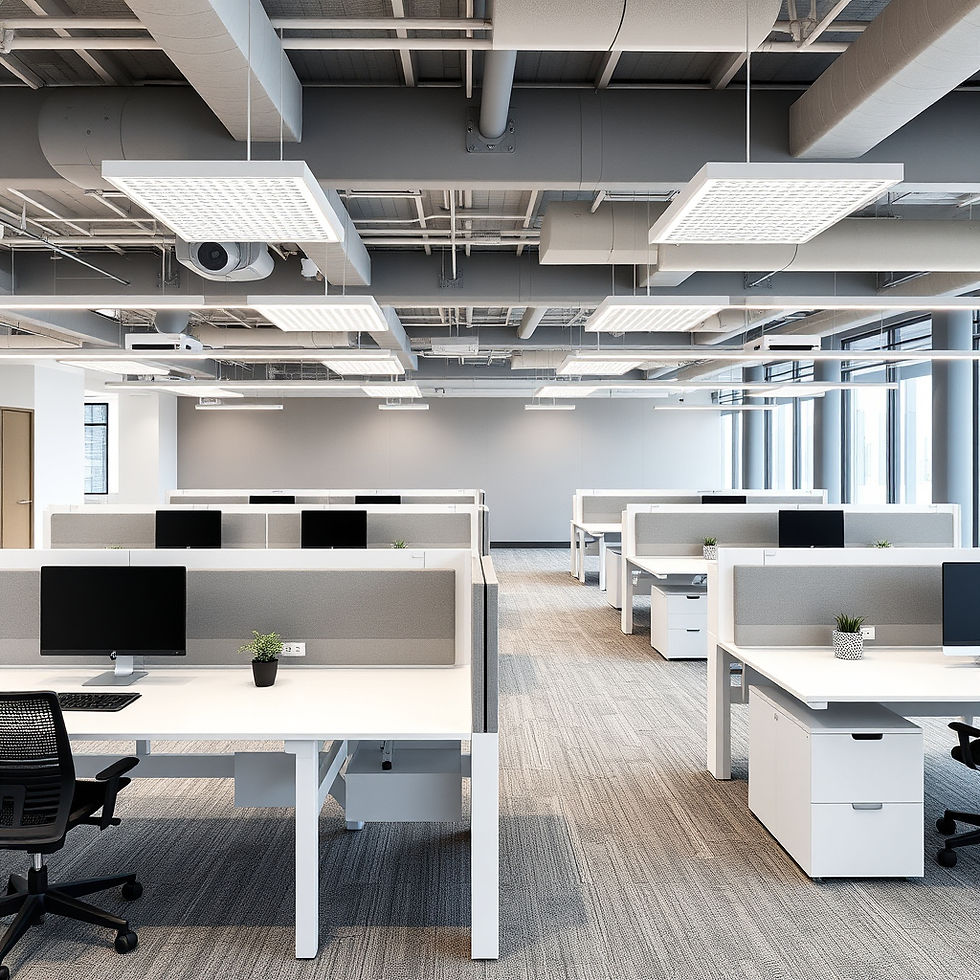
Acoustic failures stem from fundamental design oversights. Hard, reflective materials—concrete, glass, and tile—were selected for aesthetics without considering sound absorption. Open office layouts lack strategic sound barriers or absorption zones. Mechanical systems (HVAC, electrical) generate constant background noise without proper isolation. Ceiling heights and open floor plans create acoustic chambers that amplify sound. No consideration was given to sound transmission between adjacent spaces or from external sources.
Read More: Balancing Durability and Aesthetics: Material Selection Strategy for Long-Term Office Performance
Professional Solutions for Acoustic Restoration
Effective acoustic solutions address root causes, not just symptoms. Install acoustic panels on walls and ceilings in open office areas to absorb sound energy. Use fabric-wrapped desk dividers to reduce noise transmission between workstations. Add carpet or rugs to absorb sound and reduce reverberation. Treat meeting rooms with acoustic materials to prevent sound leakage. Implement quiet zones designated for focused work, separated from high-traffic collaboration areas. Upgrade mechanical systems with vibration isolation and sound-dampening enclosures. Seal gaps in walls and partitions with acoustic caulk to prevent sound transmission.

Strategic Zoning: The Professional Approach
Rather than attempting to fix acoustic problems across an entire open office, professional design creates distinct acoustic zones. High-activity collaboration areas can tolerate higher noise levels. Focus work zones require aggressive acoustic treatment. Meeting rooms need comprehensive sound isolation. Transition zones buffer between different acoustic environments. This zoning strategy acknowledges that different work types require different acoustic conditions.
Measuring Success: Acoustic Performance Standards
Professional acoustic solutions are measurable. Sound levels in focus areas should not exceed 50-55 decibels. Meeting rooms should achieve 60+ decibel sound reduction between interior and exterior. Reverberation time should be controlled to prevent echo and fatigue. Professional acoustic assessments quantify improvements and verify that solutions meet performance standards.
Conclusion
Acoustic failures in open offices are preventable through early diagnosis and professional intervention. By recognizing warning signs, understanding root causes, and implementing strategic acoustic solutions, you can restore your open office to functional productivity. The cost of professional acoustic treatment is minimal compared to the cost of lost productivity and employee turnover from poor acoustic conditions.
Ready to diagnose and solve your office's acoustic problems? Contact KNS Archipelago for a professional acoustic assessment and design consultation. Our team specializes in identifying acoustic failures and implementing solutions that restore focus, reduce stress, and enhance employee well-being. Let us help you transform your open office into a productive, acoustically balanced workspace.



Comments