

The Role of Essential Interior Design in Office Spaces

In today’s competitive business environment, the design of office spaces plays a critical role in shaping organizational success. As a specialist in office interior design and fit-out services, I have witnessed firsthand how thoughtful, essential interior design transforms workplaces into hubs of productivity, collaboration, and well-being. This transformation is not merely aesthetic; it is strategic, influencing employee satisfaction, operational efficiency, and brand identity.
Understanding the role of essential interior design in office spaces is crucial for companies planning office relocation, renovation, or new construction projects. This article explores the key aspects of office interior design, practical insights, and actionable recommendations to help decision-makers optimize their work environments.
The Strategic Importance of Essential Interior Design in Offices
Essential interior design goes beyond decoration. It integrates functionality, ergonomics, and corporate culture into a cohesive environment that supports business objectives. The design of an office space directly impacts employee performance, engagement, and retention.
Enhancing Productivity and Focus
A well-designed office minimizes distractions and supports various work styles. For example, incorporating quiet zones for focused tasks alongside collaborative areas encourages employees to choose environments that suit their activities. Adjustable lighting, sound-absorbing materials, and ergonomic furniture contribute to comfort and concentration.
Reflecting Corporate Identity and Values
Office interiors communicate a company’s brand and values to employees and visitors alike. Using color schemes, materials, and layouts aligned with corporate identity reinforces a sense of belonging and pride. For instance, a technology firm might opt for sleek, modern designs with open spaces, while a law firm may prefer classic, formal aesthetics.
Supporting Health and Well-being
Essential interior design prioritizes employee well-being by integrating natural light, indoor plants, and air quality management. These elements reduce stress and absenteeism, fostering a healthier workforce. Ergonomic seating and adjustable desks prevent musculoskeletal issues, promoting long-term health.
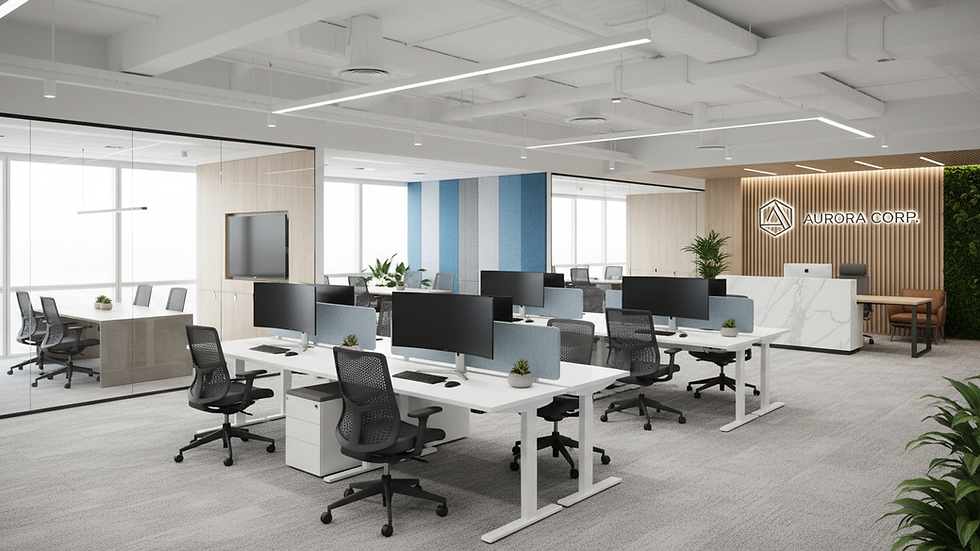
Key Elements of Essential Interior Design in Office Spaces
To achieve a functional and inspiring office environment, several design elements must be carefully considered and integrated.
Space Planning and Layout
Effective space planning ensures optimal use of available square meters while accommodating different work functions. Open-plan layouts encourage collaboration but should be balanced with private areas to maintain confidentiality and focus. Circulation paths must be clear and intuitive to facilitate movement.
Furniture Selection and Arrangement
Choosing the right furniture is fundamental. Desks, chairs, and storage solutions should be ergonomic, durable, and adaptable. Modular furniture allows flexibility for future changes. The arrangement should promote communication without compromising personal space.
Lighting Design
Lighting affects mood, energy levels, and visual comfort. Combining natural and artificial lighting with adjustable controls enables customization for different tasks and times of day. Avoiding glare and shadows is essential for reducing eye strain.
Acoustics and Noise Control
Noise can significantly disrupt productivity. Incorporating sound-absorbing panels, carpets, and ceiling treatments helps manage acoustics. Designated quiet zones and meeting rooms with soundproofing further enhance the acoustic environment.
Technology Integration
Modern offices require seamless integration of technology. Design must accommodate power outlets, data ports, and wireless connectivity without clutter. Smart office systems can optimize lighting, temperature, and security, contributing to operational efficiency.
Practical Recommendations for Office Interior Design Projects
When embarking on an office interior design or fit-out project, a structured approach ensures alignment with business goals and employee needs.
Conduct a Needs Assessment
Begin by analyzing current and future requirements. Consider workforce size, work styles, and organizational culture. Engage stakeholders to gather input and identify pain points in the existing space.
Collaborate with Experienced Specialists
Partnering with a reputable office interior design and fit-out specialist ensures access to industry expertise and best practices. Professionals can provide tailored solutions, manage project timelines, and coordinate with contractors and suppliers.
Prioritize Flexibility and Scalability
Design spaces that can adapt to changing business demands. Flexible layouts and modular furniture allow easy reconfiguration. This approach reduces future renovation costs and downtime.
Focus on Sustainability
Incorporate eco-friendly materials, energy-efficient lighting, and waste reduction strategies. Sustainable design not only benefits the environment but also enhances corporate reputation and reduces operational expenses.
Plan for Employee Experience
Create environments that support well-being, collaboration, and creativity. Include amenities such as breakout areas, wellness rooms, and ergonomic workstations. Consider biophilic design elements to connect occupants with nature.

The Impact of Essential Interior Design on Business Outcomes
Investing in essential interior design delivers measurable business value. Companies that prioritize workplace design report higher employee satisfaction, reduced turnover, and improved productivity. Well-designed offices also attract top talent and impress clients, strengthening competitive advantage.
Enhancing Employee Engagement and Retention
A thoughtfully designed office signals that the company values its workforce. Comfortable, inspiring environments motivate employees to perform at their best and remain loyal. This reduces recruitment and training costs associated with high turnover.
Improving Operational Efficiency
Optimized layouts and integrated technology streamline workflows and communication. Efficient use of space can reduce real estate costs by accommodating more employees comfortably within the same footprint.
Supporting Brand Differentiation
Distinctive office interiors reinforce brand identity and culture. This differentiation is critical in industries where client perception and employee pride influence business success.
Advancing Office Design in Indonesia: A Specialist’s Perspective
As an office interior design and fit-out specialist in Indonesia, I understand the unique challenges and opportunities in this market. Indonesia’s dynamic business landscape demands adaptable, culturally sensitive, and sustainable office solutions.
Our approach combines global design standards with local insights to deliver tailored workplaces that meet international and domestic client expectations. From workplace consultancy to turnkey fit-out services, we ensure every project aligns with strategic objectives and operational realities.
For companies seeking expert guidance, exploring office interior design indonesia services can provide a comprehensive solution that integrates design excellence with practical execution.
Designing for the Future of Work
The future of work is evolving rapidly, influenced by technology, workforce diversity, and changing expectations. Essential interior design must anticipate these trends to create resilient and inspiring workplaces.
Embracing Hybrid Work Models
Designs should support both in-office and remote work, with spaces for virtual collaboration and flexible scheduling. Hot-desking, touchdown areas, and technology-enabled meeting rooms are key features.
Prioritizing Health and Safety
Post-pandemic considerations include improved ventilation, touchless technologies, and spatial distancing. These measures enhance employee confidence and comply with health regulations.
Leveraging Data and Analytics
Smart office systems provide data on space utilization and employee preferences. This information guides continuous improvement and personalized workplace experiences.
By integrating these forward-looking strategies, companies can future-proof their office environments and maintain a competitive edge.
The role of essential interior design in office spaces is multifaceted and strategic. It shapes how people work, interact, and feel within their environment. For businesses investing in office relocation, renovation, or new construction, partnering with experienced specialists ensures that design decisions deliver tangible benefits aligned with organizational goals. Through thoughtful planning, expert execution, and a focus on well-being and flexibility, office interiors become powerful assets that drive business success.


Comments